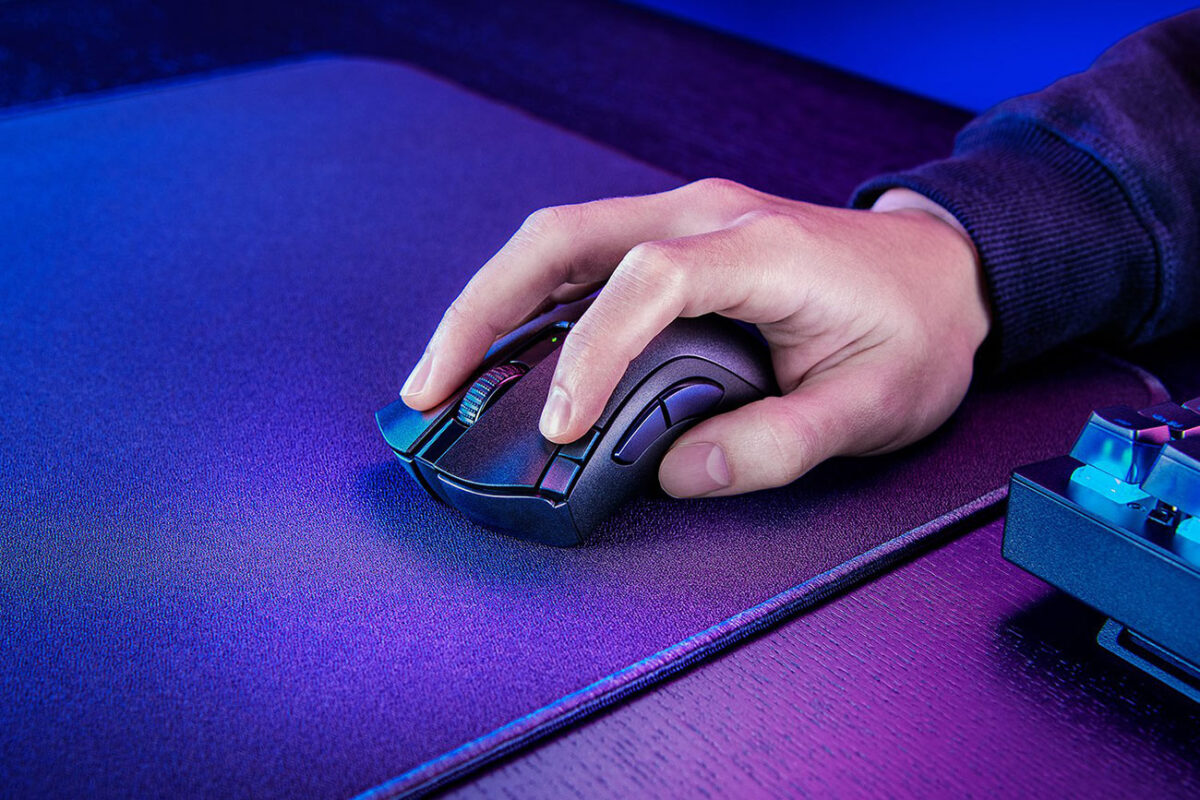
Agrievdenevenakliyatci – For competitive gamers, the equation was simple: wired peripherals were for performance, wireless was for convenience. The latency inherent in wireless connections, however minimal, represented an unacceptable compromise for players operating at the razor’s edge of human reaction time. This fundamental assumption has been overturned. Razer’s HyperSpeed 2.0 wireless technology, launched in early 2026, represents a breakthrough that may finally eliminate the last technical justification for gaming cables.
The Wireless Breakthrough: How Razer’s HyperSpeed 2.0 Is Killing the Gaming Cable
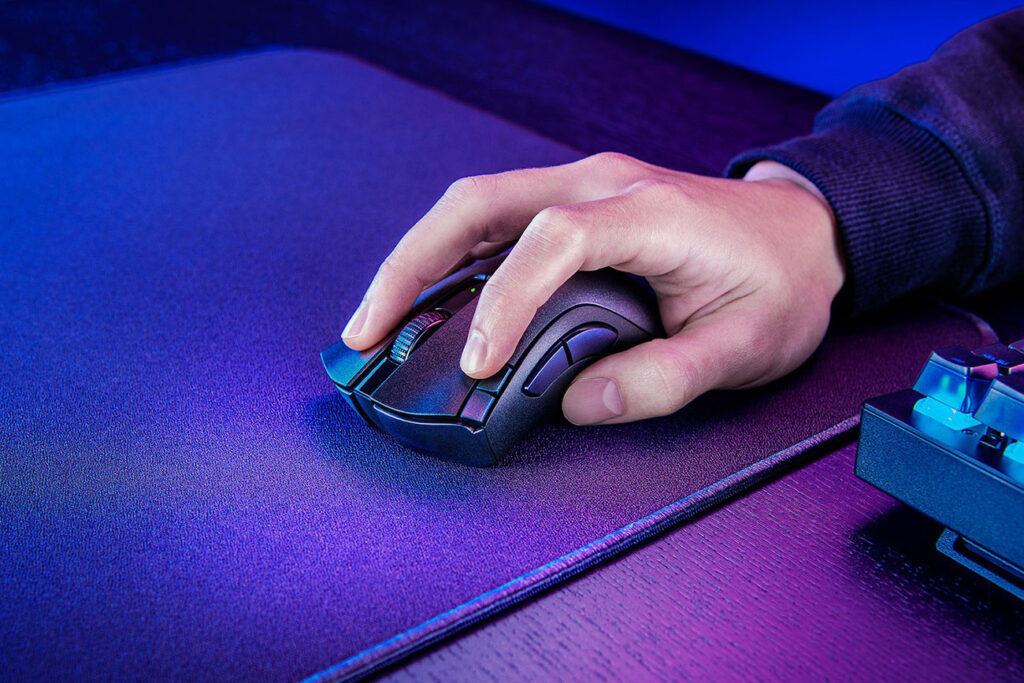
HyperSpeed 2.0 is the successor to Razer’s HyperSpeed wireless technology, which was already considered among the best in the industry. The new technology achieves round-trip latency of less than one millisecond—below the threshold of human perception and faster than the polling rates of most gaming monitors. The technology uses a new radio architecture that prioritizes speed over power efficiency, achieving its latency targets without compromising battery life. The result is wireless performance that is indistinguishable from wired.
The first peripherals to feature HyperSpeed 2.0 are the Razer Viper V3 Pro mouse and the Razer BlackWidow V5 Pro keyboard. The Viper V3 Pro weighs 55 grams, making it one of the lightest wireless gaming mice available, and achieves 100 hours of battery life on a single charge. The BlackWidow V5 Pro uses Razer’s new optical switches, which have a 0.2-millisecond actuation time, and achieves 50 hours of battery life with RGB lighting enabled. Both devices can be used while charging, eliminating the downtime that wireless peripherals previously required.
The competitive implications of HyperSpeed 2.0 are significant. Professional esports players, once skeptical of wireless peripherals, are adopting the new technology. The elimination of cable drag—the subtle resistance created by a cord moving across a desk—provides a genuine advantage in games where precision movement matters. The reduced latency, while below the threshold of perception, provides a psychological advantage; players who believe their equipment is faster play with more confidence. The top teams in games like Valorant, Counter-Strike, and Overwatch are switching to HyperSpeed 2.0 peripherals.
The multi-device connectivity of HyperSpeed 2.0 addresses a long-standing frustration with wireless peripherals. A single USB dongle can connect up to four HyperSpeed 2.0 devices simultaneously, reducing the number of dongles required and freeing up USB ports on gaming laptops and small-form-factor PCs. The devices can be paired and unpaired without software, making it easy to switch between desktop and laptop setups. The technology also includes interference mitigation that maintains performance even in environments crowded with wireless signals, such as esports arenas and LAN parties.
Razer’s competitors are not standing still. Logitech has announced its own low-latency wireless technology, LightSpeed 2.0, with latency claims matching HyperSpeed 2.0. Corsair has released its Slipstream Wireless technology, which also achieves sub-millisecond latency. The competition is driving innovation across the industry, with each manufacturer seeking to claim the lowest latency, the longest battery life, or the most reliable connection. The consumer benefits from this competition; wireless peripherals are improving faster than at any point in the category’s history.
The adoption of wireless technology by professional esports organizations is accelerating. Tournament organizers, once resistant to wireless peripherals due to interference concerns, have begun allowing them as the technology has proven reliable. Players who were required to use wired peripherals in tournament settings can now use the same wireless devices they use in practice. The consistency between practice and competition is valuable; players no longer need to adapt to different equipment when they compete.
The wireless breakthrough represented by HyperSpeed 2.0 is not the end of gaming cables; there will always be applications where wired connections are preferred. But for the vast majority of gamers—including competitive players—the wireless experience is now indistinguishable from wired. The cable that once tethered players to their desks is no longer necessary. The wireless revolution that was promised for years has finally arrived, and it is delivering on its promise.